A Snapshot of Perio Surgery
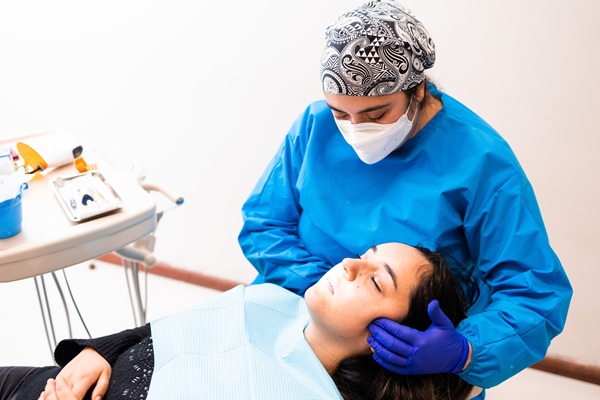
Perio surgery can help treat advanced gum disease, improve access for deeper cleaning, and support healthier tissue around the teeth. A dentist may recommend surgical care when non-surgical treatments cannot fully address infection, pocket depth, gum recession, or bone loss. With the right treatment plan, perio surgery can help protect the foundation of the smile and support long-term oral health.
What does perio surgery address
Periodontal disease affects the gums, ligaments, and bone that support the teeth. In its earlier stages, professional cleanings, scaling and root planing, and improved home care may help control inflammation. However, deeper pockets can form between the teeth and gums when bacteria remain below the gumline.
These pockets can make plaque and tartar more difficult to remove with daily brushing and flossing. Over time, untreated periodontal disease can contribute to gum recession, bone loss, loose teeth, and changes in the bite. Perio surgery provides the dental team with better access to affected areas and enables more detailed treatment of the structures that support the teeth.
Common types of perio surgery
Different procedures can support different periodontal needs. A dentist recommends the most appropriate option after evaluating gum health, pocket depth, bone levels, tooth stability, and overall oral health. The goal is to reduce infection, improve cleanability, and create a healthier environment around the teeth.
Common types of perio surgery may include:
- Pocket reduction surgery to clean deeper areas and reduce gum pocket depth
- Gum grafting to support areas of gum recession
- Bone grafting to help rebuild areas affected by periodontal bone loss
- Crown lengthening to reshape gum tissue and expose more tooth structure
Each procedure serves a specific purpose. Some patients need one targeted treatment, while others may need a phased care plan that addresses several areas over time.
What to expect during treatment planning
Before perio surgery, the dentist completes a detailed evaluation. This may include periodontal measurements, dental X-rays, a review of medical history, and a discussion of symptoms such as bleeding, swelling, tenderness, loose teeth, or gum recession. This information helps determine which areas need surgical care.
The treatment plan may also include instructions for improving plaque control before the procedure. Health conditions, medications, tobacco use, and healing factors can influence the surgical approach. A personalized plan helps improve comfort, support healing, and reduce the risk of recurring gum problems.
Recovery after perio surgery
Recovery can vary depending on the type of procedure and the number of areas treated. Some patients experience mild swelling, tenderness, or changes in eating habits for a short time. The dental team provides aftercare guidance to help protect the treated area while the gums heal.
Soft foods, gentle oral hygiene, and follow-up visits often play an important role in recovery. Patients may also receive specific guidance about brushing, rinsing, medications, or activity limits. Keeping follow-up appointments allows the dentist to monitor healing and adjust recommendations as needed.
Schedule a gum health evaluation
Perio surgery can help manage advanced gum disease, reduce deep pockets, address gum recession, and protect the structures that support the teeth. A dentist can explain available treatment options and recommend the most effective plan for each patient’s needs. Call our office for more information or to schedule a perio surgery evaluation.
Request an appointment here: https://luvicdental.com or call Luvic Advanced Dentistry at (786) 758-4613 for an appointment in our Doral office.
Check out what others are saying about our services on Yelp: Perio Surgery in Doral, FL.
Related Posts
Wisdom teeth removal is considered a type of oral surgery. However, unlike with more invasive surgeries, most patients are able to return home the same day and resume normal activities within the week. Understanding the procedure and aftercare helps patients know what to expect for an extraction.Wisdom teeth are the third set of molars and…
A dentist can take many approaches to treat oral health issues. Lifestyle changes, more frequent cleanings, dental work, and medication may be used. Oral surgery may also need to be incorporated into a patient's treatment plan. Even though healthy alternatives exist that can help reduce pain and improve tooth and gum health, there are circumstances…
Learning about some of the more commonly used oral surgery procedures allows dental patients to understand more about any procedures that can improve their dental health. Updated dental technologies allow dental surgery to be quick and safe, giving patients peace of mind. Know that a general dentist can typically perform certain types of surgical procedures.With…
Learning more about the oral surgery treatments now available for smile makeovers is something everyone should do when interested in improving the way their smile looks. There are more cosmetic dentistry options available than ever before for you to choose from, which means you have lots of options when it comes to cosmetically designing your…
